

CFS Freight Terminal Management Software
cfs management software gives cargo teams one operating record for receiving, warehouse activity, customs status, dispatch, service events, customer communication, and billing review. The goal is practical management control across the CFS floor, gate, and office team.
A cfs automation system reduces repeated manual checks, keeps cargo information current, and connects container, shipment, documentation, location, and charge events before they become invoice or release errors.
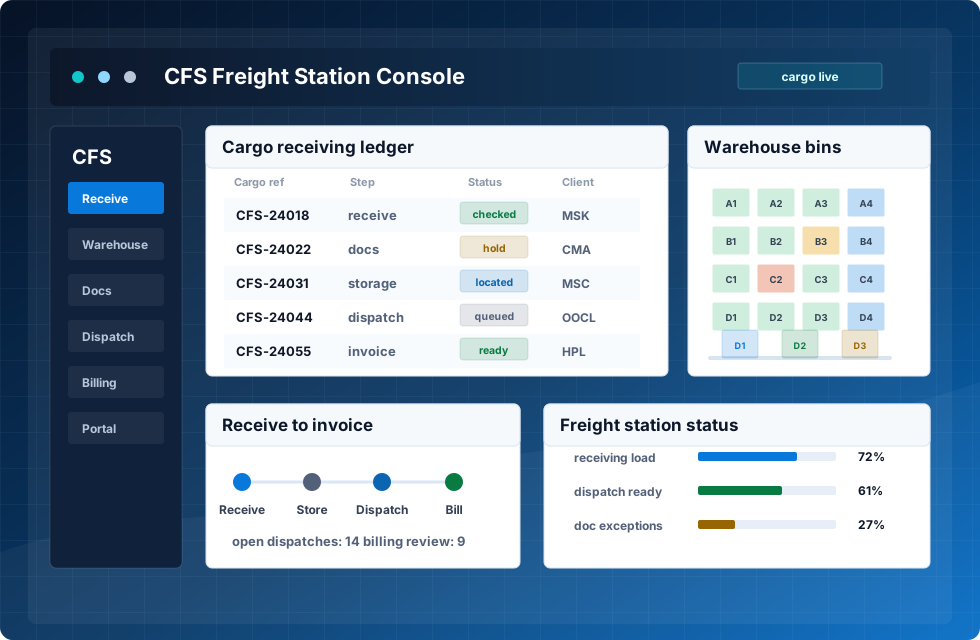
cargo receiving, warehouse status, dispatch, documentation, and billing

CFS operations management system for daily control
A cfs operations management system should connect the work that happens between cargo arrival and final delivery. Teams need a clear way to manage container records, freight documents, cargo location, warehouse handling, terminal moves, customs compliance, and billing events.
The platform works as a cfs terminal operating system for teams that need facility visibility without a heavy port project. Gate staff, warehouse users, dispatchers, customer service, and finance can access the same operational timeline with configured roles and security.
Receiving to delivery timeline
Compliance, holds, and release status
Storage, charges, and performance dashboards
Cargo workflow from receiving to invoice
Each step creates data that supports operations, customer visibility, compliance review, and billing accuracy.
Pre-advice
Customer, carrier, cargo, and document data arrive before the container or truck.
Receive
Users confirm freight condition, count, weight, photos, and import or export status.
Store
Storage users update location, storage events, holds, and handling requirements.
Handle
Teams manage consolidation, deconsolidation, inspection, repair, and value-added services.
Dispatch
Delivery orders, terminal moves, trucks, and customer notifications stay connected.
Bill
Billing review uses actual events, storage time, handling work, and approved charges.
Core modules for CFS teams
Built for complex freight terminal work
freight terminal management software must support more than a list of cargo records. A busy CFS needs import and export handling, receiving, load planning, warehouse control, dispatch, customer service, compliance checks, invoicing, reporting, and management review in one controlled environment.
This software for container freight station teams is designed for configurable workflows, mobile device access, API or EDI integration, automated notifications, and real-time tracking. It helps reduce data errors while giving each user the information needed for faster decision making.
Screens that make cargo records easier to trust
The interface should show what happened, who changed the record, which cargo is delayed, and which invoice item needs billing review.
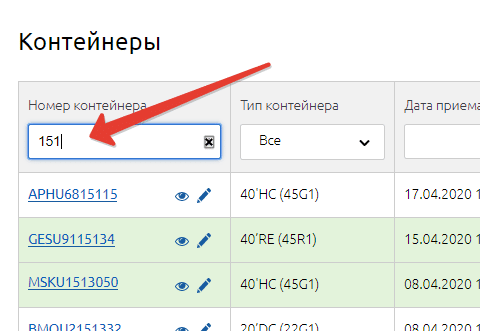
Fast search
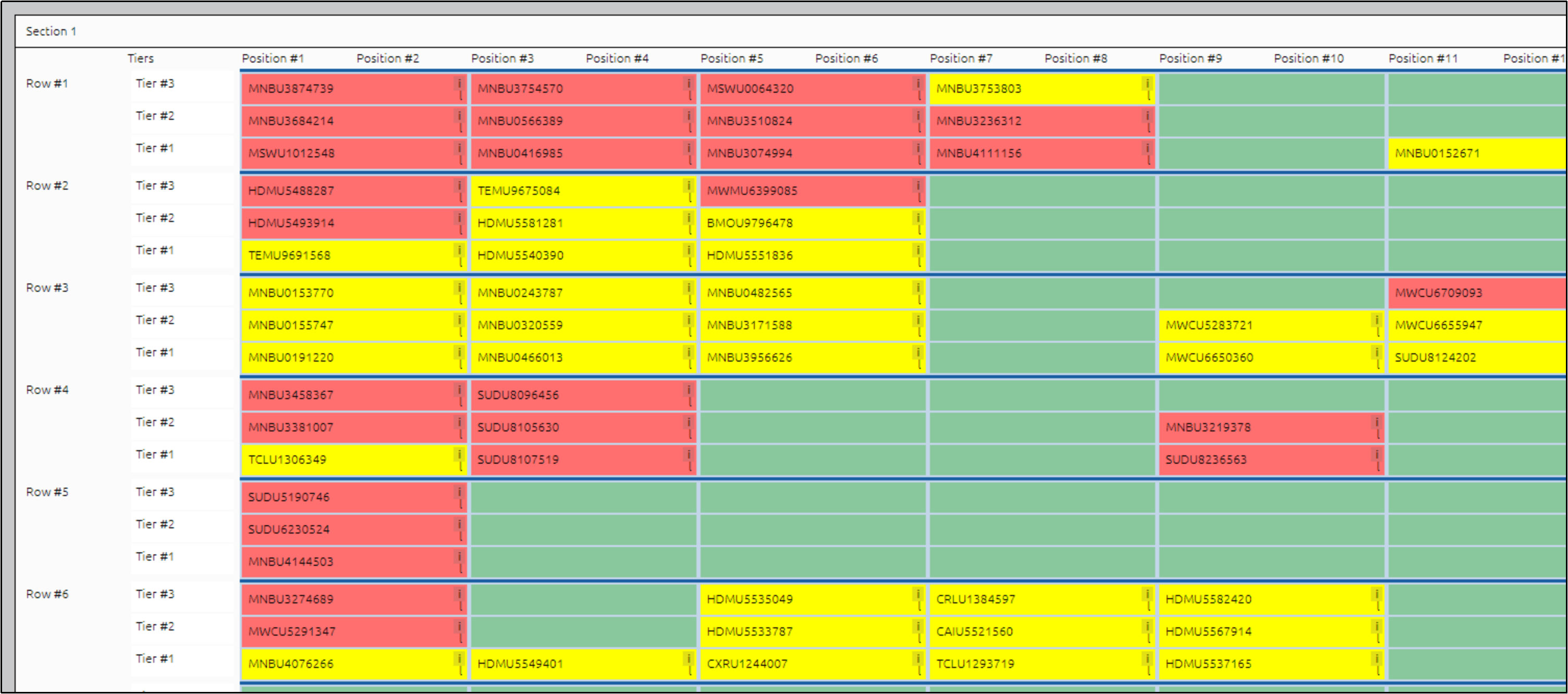
Service evidence
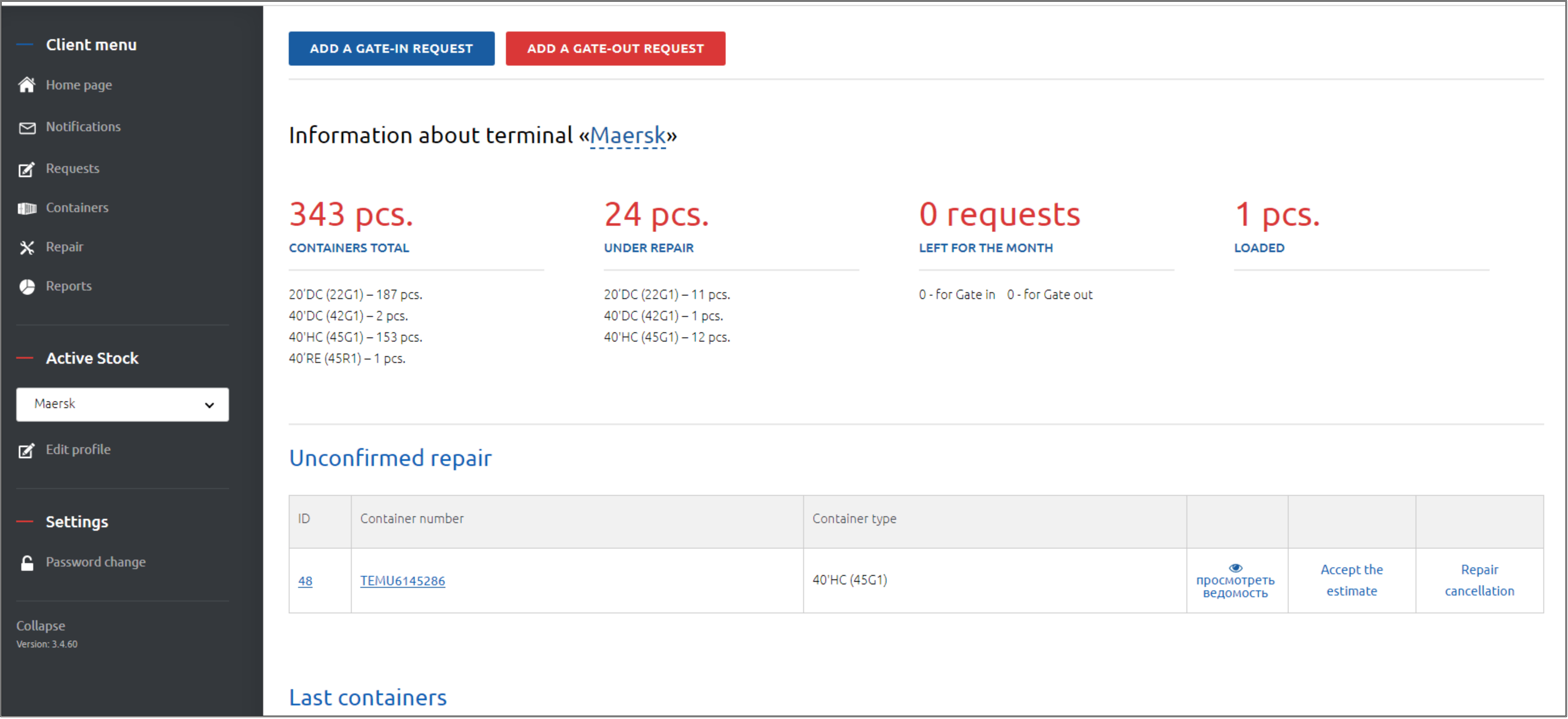
Terminal view
Where CFS value appears
CFS teams gain value when every activity can be traced from receiving through storage, handling, release, dispatch, and billing. The platform gives better visibility across freight, warehouse, terminal, and customer processes while supporting modern logistics, international shipping, air cargo, scheduling, planning, and supply chain requirements. The same view also supports client portals, alerts, and daily audit questions across the business.
Management users can review cost, performance, service quality, and billing exceptions without waiting for manual reports. Operational users get a simpler way to update status, view tasks, monitor work, and keep customers informed.
| Area | What improves | Why it matters |
|---|---|---|
| Freight records | Cargo, container, documents, location, and customer information stay centralized. | Teams answer status questions quickly and reduce duplicate entry. |
| Warehouse activities | Receiving, storage, handling, consolidation, release, and dispatch are visible. | Supervisors can identify delays and balance work across the facility. |
| Billing process | Billing triggers, review notes, reports, and approved charges stay tied to events. | Invoices become easier to explain and less dependent on manual spreadsheets. |
| Customer service | Customers can receive faster updates about freight status, release readiness, delivery, and documentation. | Communication becomes clearer across clients, carriers, forwarding partners, and internal teams. |
See the CFS workflow in the product
Implementation starts with key CFS rules: receiving scenarios, warehouse locations, terminal users, service codes, billing tariffs, customer records, release statuses, and reporting requirements. Data import can bring opening freight records, container references, customers, rates, and active billing items into the platform.
A phased launch keeps risk controlled. Start with receiving, storage, dispatch, and billing review; then add mobile workflows, customer portal visibility, deeper integration, automation, dashboards, and advanced optimization when the team is ready.