
Operations Visibility: What a Depot Control Room Should Show
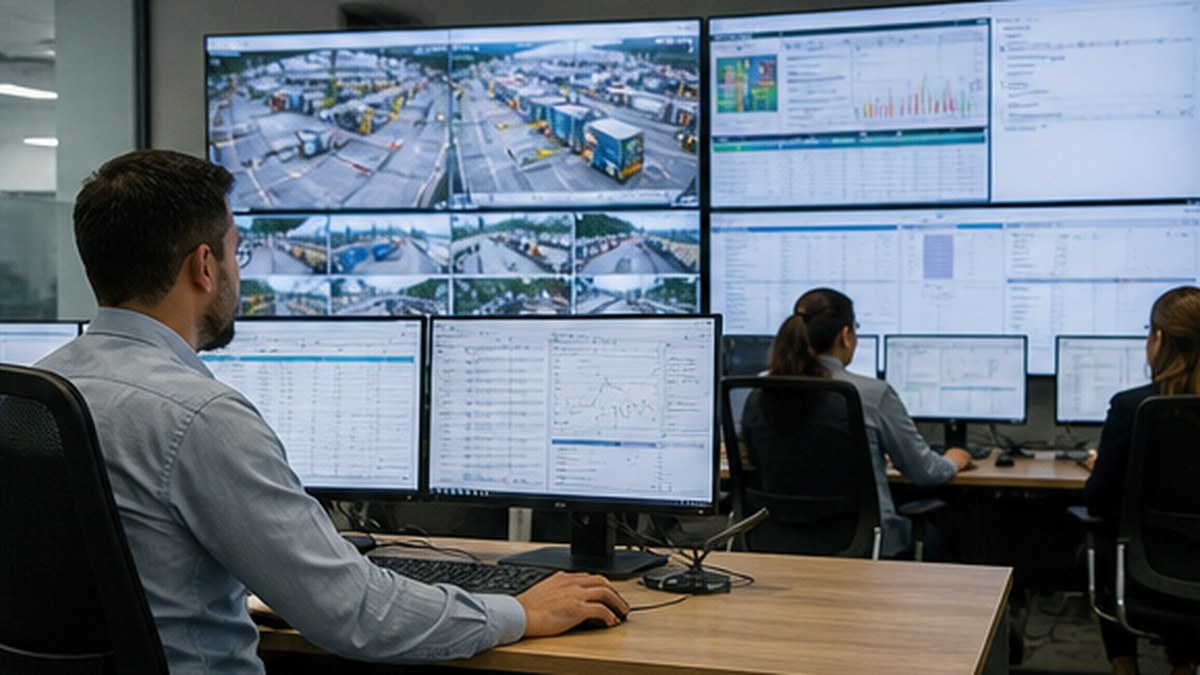
A depot or terminal control room is only useful when it turns activity into decisions. Screens full of data do not help if supervisors still need to call the gate, yard, warehouse, and billing teams to understand what is happening. The value of operations visibility comes from shared status, clear exceptions, and timely action.
Start with the operating questions
Before adding dashboards, define the questions supervisors actually ask during the day. Which trucks are waiting? Which containers are under hold? Which services are overdue? Which equipment is assigned? Which customers need an update? Which invoices are blocking release?
Container depot software should answer these questions from live events, not from a report that is already outdated when it opens. The system should turn operational records into a control layer for the people managing the shift.
Separate normal work from exceptions
Good dashboards do not treat every record as equally urgent. A container stored normally for three days may not require action. A container planned for release but blocked by missing payment does. A truck inside the depot beyond the expected time needs attention. A repair task waiting for approval should be visible before it becomes a customer complaint.
Exception-based views help supervisors focus. They also reduce the number of informal messages, because the team can see the same issue list and the owner of each task.
Use role-based visibility
Not every user needs the same dashboard. Gate staff need arrivals, documents, and holds. Yard dispatch needs equipment work and container locations. Warehouse supervisors need cargo status and release orders. Management needs service levels, revenue signals, and capacity pressure.
A strong container terminal management system gives each role enough visibility to act without overwhelming them with unrelated information. This improves adoption because users see the system as a working tool, not as another reporting burden.
Make timestamps reliable
Control rooms depend on accurate time data. Arrival, gate-in, yard placement, service start, service completion, hold release, invoice approval, and gate-out timestamps allow teams to understand where delays happen. Without reliable timestamps, performance discussions become opinion-based.
The best practice is to capture timestamps as part of the workflow, not as manual notes added later. This keeps the data useful for both real-time control and later reporting.
Connect visibility with customer communication
Internal visibility should support external communication. If customer service can see the same status as operations, they can answer faster and with fewer mistakes. If a customer portal is available, selected status updates can be shared automatically, reducing routine calls and email threads.
This is especially valuable for depots that manage storage, handling, repair, CFS warehouse work, and intermodal moves in the same environment. Customers do not want to know which department owns the next step. They want to know what is happening and when the unit or cargo will be ready.
Build visibility around decisions
The most useful control room view is not the one with the most charts. It is the one that helps supervisors decide what to do next: clear a queue, reassign equipment, chase a document, approve a service, or notify a customer. When dashboards are designed around decisions, they become part of daily operations rather than decoration.