

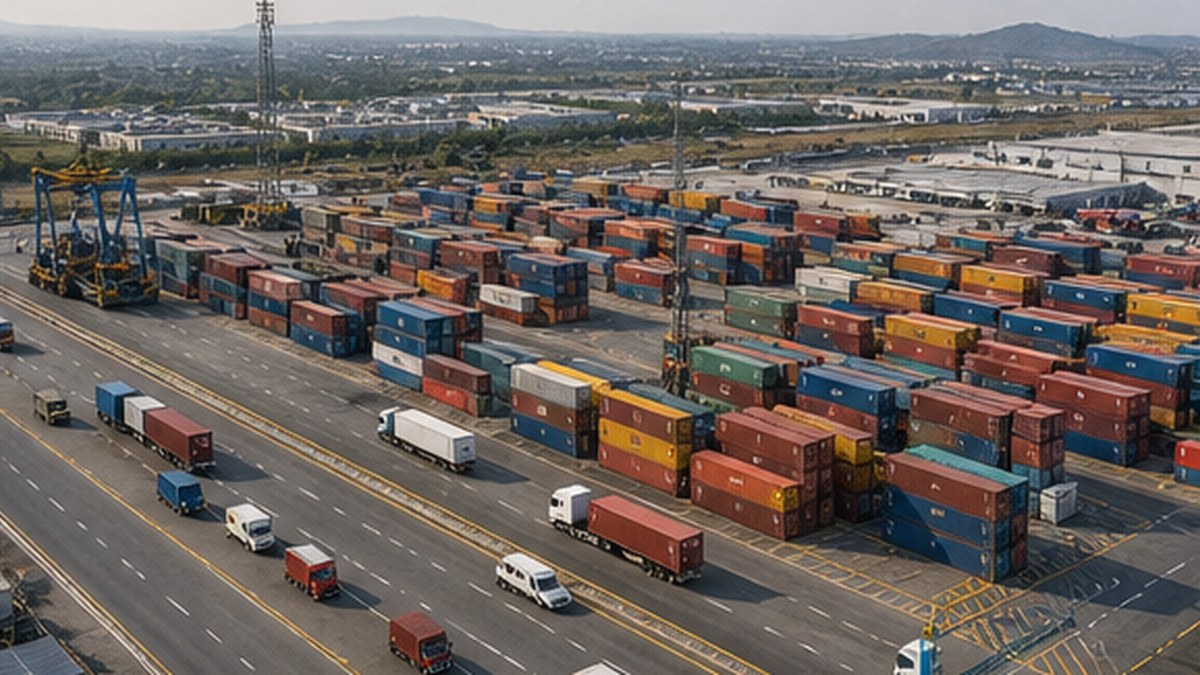
Dry Port Visibility: Connecting Yard, Gate, and Customer Updates
Dry ports connect road, rail, storage, customs, and customer service in one operating environment. That makes visibility more difficult than in a simple yard. A container can be expected by truck, planned for rail, stored under hold, moved for inspection, or released after billing. Dry port software helps teams keep those events connected instead of treating each department as a separate island.
Visibility starts with one container record
The most important foundation is a reliable container record. It should show arrival, current location, status, customer, service instructions, holds, documents, and planned next move. If each team maintains its own version of that information, status updates become slow and inconsistent.
A shared record allows gate, yard, rail, warehouse, billing, and customer service teams to work from the same operational truth. This is especially useful when containers change plans after arrival.
Track holds before they block release
Dry ports often manage customs holds, payment holds, document holds, operational holds, and customer instructions. These holds are normal, but they become a problem when they are discovered late. A truck may arrive for release only to learn that payment is missing or the customs status is not cleared.
Good visibility means holds are shown early, with ownership and reason. When the hold is cleared, the status should update immediately so the next team can act without a phone call.
Connect road and rail planning
Many dry ports are judged by how well they coordinate truck flows with rail departures and arrivals. If inbound trucks arrive late for a cut-off, planners need to know. If a rail import container is ready for road release, gate teams and customers need that status quickly.
Intermodal terminal software should connect road appointments, rail schedules, yard inventory, and customer releases. This helps reduce missed cut-offs, yard congestion, and unnecessary waiting time.
Share selected status with customers
Customers do not need every internal detail, but they do need timely, trustworthy status. A customer portal can show available containers, cargo status, release requirements, invoices, and holds. Automated notifications can reduce repetitive calls when a container becomes ready or when action is required.
The key is to share controlled information from the same record used by operations. If customer updates come from a separate manual process, they quickly become outdated.
Use reporting for capacity and service levels
Dry port managers need to see more than container counts. Useful reports include dwell time by customer, truck turnaround, rail readiness, hold reasons, storage revenue, equipment productivity, warehouse workload, and overdue services. These measures help management understand capacity pressure and service quality.
Over time, visibility becomes a practical management tool. It shows where the operation is healthy, where exceptions repeat, and where a process change or customer rule can make the biggest difference.
Keep the design operational
The best dry port visibility setup is not a complicated dashboard built for occasional presentations. It is a daily tool for supervisors, dispatchers, customer service, and managers. It should help teams see what is ready, what is blocked, who owns the next action, and how each event affects the customer promise.