

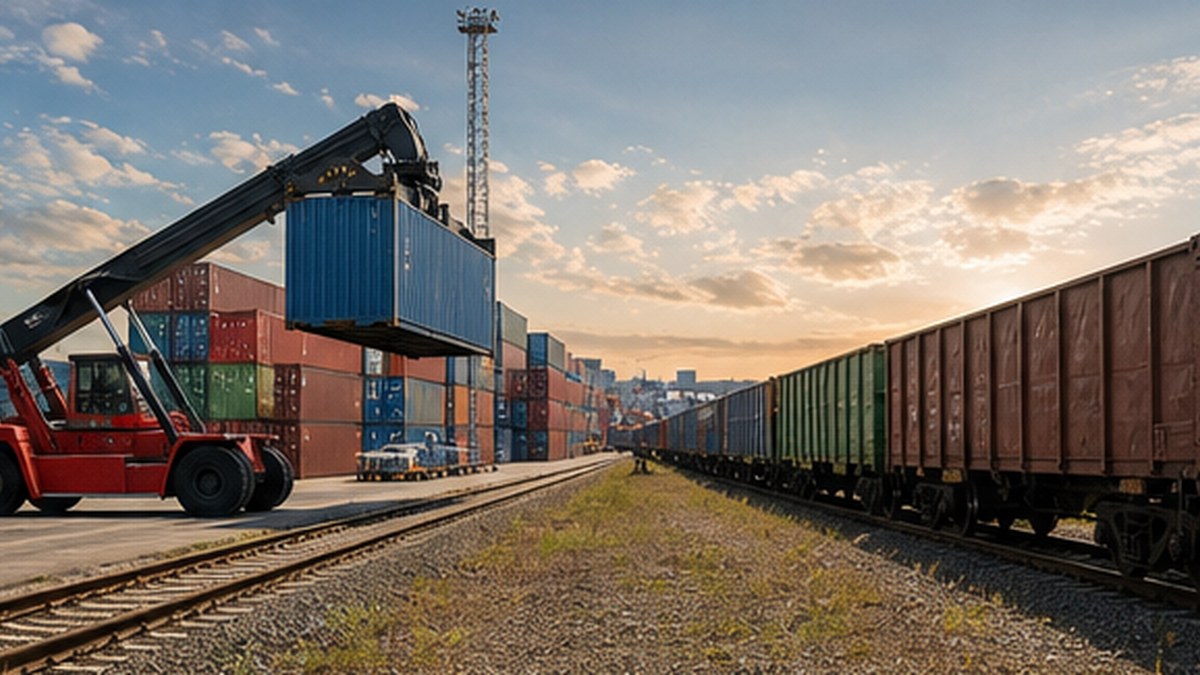
Intermodal Rail Terminal Planning: What Data Teams Need
Intermodal rail terminal planning depends on timing, yard capacity, wagon availability, equipment readiness, and documentation. When these details are managed in separate spreadsheets, the operation can still move containers, but the team loses the ability to see risk early. Intermodal terminal software helps planners connect rail schedules, yard inventory, gate moves, and customer commitments in one operating view.
Why rail planning needs better data
Rail moves are less forgiving than ordinary yard activity. A late loading instruction, missing container status, or unclear wagon plan can affect an entire departure. Planners need to know which containers are ready, which are blocked, which require service, and which are still expected through the gate.
The problem is rarely one missing report. It is usually a gap between departments. Commercial teams know the customer promise. Yard teams know the physical position. Gate teams know what actually arrived. Rail planners know the cut-off. A strong container terminal management system connects those views before the train is being built.
Plan by cut-off, status, and location
A practical rail workflow should show each container against three basic questions: is it approved to move, where is it in the yard, and what deadline must it meet? This sounds simple, but it requires consistent event recording. A container that is in the yard but under hold should not appear as ready. A container that is booked but not yet arrived should remain visible as expected workload.
When planners can filter by rail service, destination, cut-off, hold status, and yard block, the loading sequence becomes easier to control. Equipment dispatch can focus on real work instead of searching for containers that are not yet available.
Connect gate activity with rail departures
Many rail planning issues start at the gate. If a truck arrives late with a container booked for a departing train, the system should make the urgency visible. If the unit is accepted after cut-off, the planner needs to decide whether it still goes, rolls to another service, or waits for customer confirmation.
Using one shared record makes this decision traceable. The system can show who accepted the container, when the status changed, what hold was cleared, and which departure was assigned. That history matters for internal control and for customer communication.
Reduce rework in loading plans
Manual rail planning often produces rework because the plan is built from data that changes faster than the spreadsheet can be updated. A digital plan should react to status changes: holds, gate arrivals, service completion, customer amendments, and yard relocations.
This does not mean the system replaces the planner. It gives the planner cleaner inputs, fewer blind spots, and a clearer way to communicate the final plan to dispatch and yard equipment operators.
Use reporting to improve the next train
After departure, the same data should support performance review. Useful rail reports include containers rolled by reason, late gate arrivals, missed cut-offs, average dwell before departure, equipment productivity, and exceptions by customer or route. These reports help terminals improve planning rules and customer discipline over time.
For intermodal operations, better software is valuable when it supports daily decisions, not only monthly reporting. The goal is simple: fewer surprises before departure, cleaner loading plans, and more reliable service for customers moving containers by road and rail.